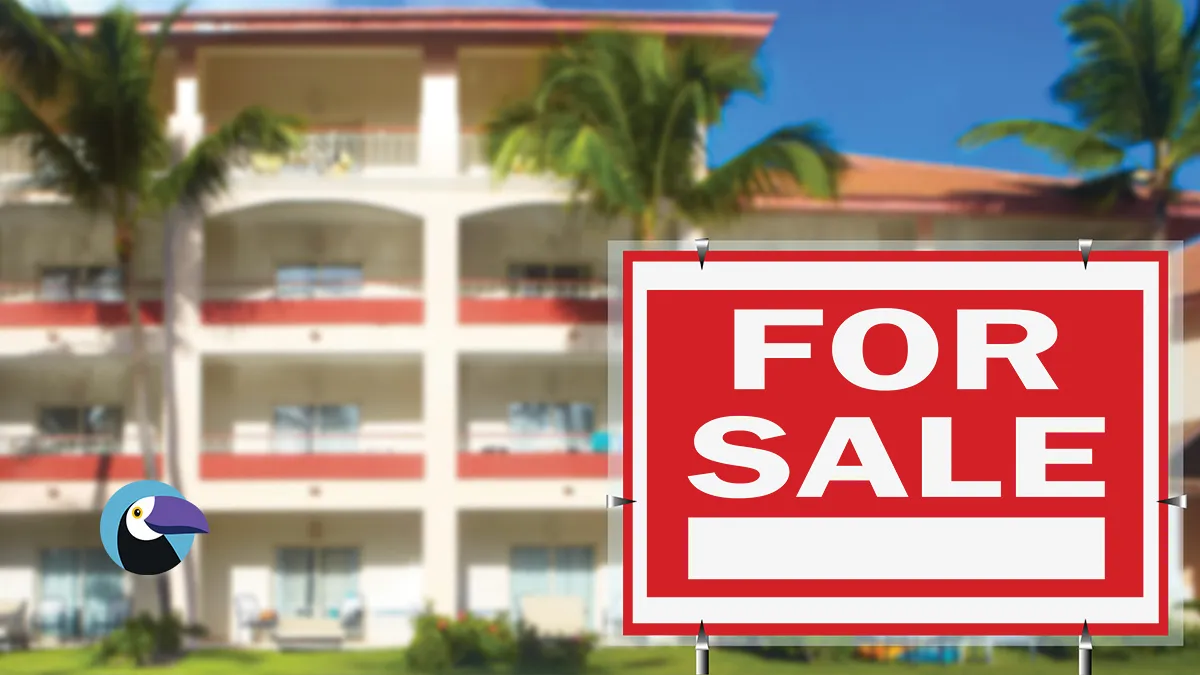
Is owning a timeshare worth it? You might think we’re biased (it’s in the name after all), but honestly? It’s not for everyone. Here at BuyATimeshare.com, our job is to connect people who want to sell their timeshare with the right buyer. Someone whose life will be made more enjoyable by their timeshare. If you’re not sure whether or not you’re that type of person, let us break down the pros and cons for you.
Quick Verdict: Is Owning a Timeshare Worth It?


Obviously, we think timeshares are worth it if they’re a good fit for your lifestyle. If you’re not sure they’re a good fit, but you’re considering buying one, wait. This isn’t the sort of thing you want to impulsively jump into. Just like with any form of real estate, you want to do your research before you sign a contract. It’s the responsible thing to do.
So, what are the pros and cons of timeshare ownership? Is owning a timeshare worth it?
Timeshare Pros
- Timeshares are secured vacation time: Timeshares either give you a guaranteed stay or priority booking at popular resort destinations.
- Timeshares are nicer than hotel rooms: Timeshare villas are larger than typical hotel rooms, and feature amenities like full kitchens and in-unit laundry. It’s all the benefits of a vacation home, but with the perks and amenities of a luxury resort.
- Timeshares are low maintenance: You don’t need to think about your timeshare when you’re not using it. It’s managed for you and guaranteed to be ready when you arrive.
- Timeshares are cheaper than vacation homes: A standalone vacation property can cost hundreds of thousands, if not millions of dollars. Splitting the cost with other buyers makes it much more affordable.
- The annual cost can be lower than hotel stays: If you consistently stay at a timeshare, the overall cost will be lower than booking the same hotel room each year.
- Timeshares are more flexible than you might think: Vacation exchange options let you turn your timeshare into points you can use to stay at other resorts or for other vacations, like cruises and tours. You can also rent out your timeshare on years you’re not using it to cover maintenance fees or help fund alternative vacations.
Timeshare Cons
- Timeshares are difficult to cancel: Exiting a timeshare isn’t like cancelling your Netflix subscription. You either need to go through a resort-specific exit program or sell it on the resale market. This is the whole reason BuyATimeshare.com exists!
- Timeshares depreciate in value: Timeshares aren’t financial investments. They depreciate in value and go for 10% or less of the retail price on the secondary market.
- You can’t use a timeshare whenever you want: Timeshares use a variety of systems, like points or weeks, to determine when you can stay. They require a lot of advanced planning to make use of.
- Timeshares have recurring fees: Maintenance fees cover upkeep, taxes, and utilities. While these are less than what you would pay for other vacation properties, you have no control over them, and they often increase at a rate faster than inflation. More importantly, the only way out of paying these fees is to exit your contract. Since many timeshare agreements have perpetuity clauses, you could be paying fees for the rest of your life.
- Timeshare salespeople can be pushy: We have a lot of sympathy for salespeople. It’s a tough job, especially when you’re paid on commission. However, some salespeople use high-pressure sales tactics, and owners aren’t entirely exempt.
- Timeshare perks can be expensive: Excited about seeing those Disney Vacation Club member lounges? Unfortunately, access to member perks requires buying 150 points directly from Disney. Other timeshares place similar restrictions on timeshare resales, so check the terms before you buy.
- Use it or Lose It: Timeshares have a limited ability to roll over from year to year. Some can’t roll over at all. There’s pressure to use that timeshare every year.
Who Is Owning a Timeshare Worth It For?
Timeshares aren’t for everyone, but there are certain types of buyers for whom they’re a better fit.
- Consistent Travelers: Timeshares work best if you can use them every year they’re available. If you only travel once every few years, a timeshare isn’t going to be a good fit. Similarly, you should be comfortable staying at the same resort or a selection of related resorts. Exchanges and vacation clubs make this less of a concern, since you can use your timeshare for a variety of vacations. However, it will always be easier to stay at your home resort. Don’t buy DVC points if you’re not planning to go to a Disney property regularly in the future.
- Financial Stability: Timeshares are a commitment. In addition to paying the fees, you also need to pay for travel, food, admission to attractions, souvenirs, and other expenses. If you can’t afford to do that consistently, a timeshare may not be a good fit.
- Couples and Families: Solo travelers can make good use of timeshares, but they’re designed to accommodate larger groups. Many are aimed at families with young children who are looking to create lifelong memories and establish a vacation tradition.
In short, the ideal buyer profile is a dual-income household that travels regularly. If that fits your household, great! If not, that doesn’t mean a timeshare won’t work for you, but you should proceed with care. Either way, take time to consider how a timeshare will fit into your lifestyle and finances before you commit.
Is Owning a Timeshare Worth It? That Depends on Your Lifestyle
There are many types of timeshares, like deeded ownership, leaseholds, and right-to-use timeshares. Different models of usage and ownership suit different lifestyles, so reviewing the terms can mean the difference between a great vacation and a bad investment.
Fixed-week and floating-week timeshares are ideal for people who like traveling to the same place each year. Fixed weeks work best if you travel on the exact same week each year, while floating weeks are slightly more flexible. You can use a floating week if you can consistently travel during the same general season. For instance, if you regularly travel during the summer but your children’s activities vary from year to year, a floating week can give you more breathing room.
Points systems are the most flexible option, and are ideal for people who want to stay at a variety of destinations. They require more planning than a deeded week, but make up for it with raw versatility. They’re also good if you want to travel at different times, or don’t want to stay a whole week.
Leasehold and right-to-use timeshares have expiration dates, and usually cannot be passed down to heirs. The expiration date may be decades out, but some people like the peace of mind that comes with a definitive endpoint. Deeded timeshares come with perpetuity clauses, making them more permanent assets.
Is Owning a Timeshare Worth It? – Determining Value


Timeshares aren’t an impulse purchase, even if some sales presentations make them feel that way. They’re a long-term commitment, and even ones with expiration dates can last decades. You’ll need to look at the big picture before deciding whether a timeshare is a good investment for your lifestyle.
A common critique of timeshares is the price. Between high upfront costs and maintenance fees, many critics accuse timeshares of being a money pit. They claim that, rather than pay yearly fees, you can just book traditional hotel rooms. This definitely applies to short-term projections, but you don’t buy a timeshare just to use it once or twice. If you want to figure out the real value of a timeshare, you’ll need to do some math.
The Ten-Year Value Projection – Is Owning a Timeshare Worth It?
Here’s how to calculate the value of a timeshare. First, take the upfront cost. If you’re buying on the secondary market, these prices will be much lower than if you buy from the developer, so keep that in mind. Then research any hidden costs, such as ownership transfer fees. After that, look at the most recent maintenance fee, and try to determine how much it increases each year. On average, these fees increase by 3-10% annually. Finally, determine how often the resort charges special assessments. They’re more common at older resorts, but shouldn’t be a regular occurrence.
Once you know the rate of increase for your resort, you can calculate the compounding rise in maintenance fees. Do that for ten years’ worth of fees, then add it to the upfront costs. You’ll end up with a pretty big number, but don’t panic just yet. We’re not done with the math!
Now, look at the price of a similarly sized hotel room. Keep in mind that timeshares tend to be larger than ordinary hotel rooms: if your timeshare is a 1-bedroom villa, you’ll want to look at 1-bedroom suites. Since hotel prices are dynamic, you’ll also want to look at the times you’re likely to travel. You should also consider the resort’s price increase rate. With that information, calculate what ten years of hotel stays would cost.
In many cases, especially when buying a timeshare resale, the timeshare ends up costing less in the long term. After a while, the only recurring costs are the annual maintenance fees, which are usually lower than the cost of a week-long stay. This isn’t always the case, but if a timeshare passes the 10-year test, it might be a good value.
What If I Can’t Travel Every Year? Is Owning a Timeshare Still Worth It?
Obviously, the ten-year value projection assumes you’re travelling every year, which may not be the case. Unlike with a hotel, you’re still obligated to pay those fees. However, there are ways to account for skipped years.
First, some points-based timeshares allow you to roll over points from previous years or bank points from future years. Staggering points can net you a longer vacation or more luxurious accommodations during the years you can travel. Alternatively, you can submit your points or deeded weeks into an exchange, converting them into points. They may lose some value during the exchange, and you’ll likely need to pay fees, but this can stretch your timeshare’s value.
If you can’t travel at all, you can look into renting your timeshare. BuyATimeshare.com can help you advertise your timeshare on our marketplace, and you can use the rental revenue to cover your maintenance fees. Just be aware that you will need to pay taxes on any rental income.
Anticipating Lifestyle Changes – Is Owning a Timeshare Worth It in the Long Term?


Timeshares are often a lifetime commitment. The ten-year value model is a good estimate, but it’s not the whole picture. People get older, circumstances change, and what was a good purchase ten years ago might not be a good fit now.
Financial and Career Changes
Let’s say that you can comfortably afford a timeshare right now. Can you be sure of that in the long term? What if you’re unexpectedly laid off or get hit with an unplanned expense? The good news is that by renting out your timeshare, you can find short-term relief from ongoing costs. However, to be safe, you should account for your timeshare in your financial planning.
Make sure you have enough money set aside to cover any fees, including special assessments. You should also have a plan in place for what to do if your financial circumstances change. Timeshares give you a stable, guaranteed vacation each year. If your other circumstances aren’t stable enough to support that, you should think before signing up.
Aging Considerations
Obviously, travel gets more difficult as we get older. However, you don’t need to be in your golden years for aging to affect your timeshare plans. Often, little changes can affect our vacation preferences, and you’ll need to account for that.
For instance, timeshares are often marketed toward families with children. As children get older, their needs and vacation preferences change. A studio with a crib or a pullout bed is great for little ones, but what about when the kids are old enough to want privacy? Conversely, what will happen when your kids become adults and form families of their own? Is owning a timeshare worth it in the long term?
Point-based timeshares are useful for these situations, since you can choose different rooms each year: when the kids move out, you can book smaller rooms for longer vacations instead of the larger villas. Alternatively, you can choose a timeshare with sufficient space from the beginning, though you can’t downsize as easily.
You should also consider your health and activity level when buying a timeshare. You may love your ski resort timeshare now, but what will happen as you get older? Do you plan to ski for the next few decades? Can you pivot to a different kind of vacation if your changing health impacts your ability to ski? Even simple things like accessibility options can affect a timeshare’s long-term viability.
Timeshares and Estates
Deeded timeshares are real estate, which means they become a part of your estate when you pass on. Some timeshare presentations will highlight this as a benefit: leaving something for future generations to cherish. But the truth is, your kids probably won’t want your timeshare. You can’t predict their financial circumstances or vacation preferences. They may not think owning a timeshare is worth it, and that’s fine.
Talk to your estate planner about what to do with your timeshare. It’s a good idea to prepare disclaimer of interest letters for all your heirs, including any children, grandchildren, nieces, and nephews. A disclaimer of interest is a letter that allows your heir to refuse any part of their inheritance. All your heir needs to do is sign it, have it notarized, and submit it to the probate court and the timeshare company within nine months of learning of the inheritance.
A few quick notes here. Disclaimers of interest for timeshares only apply to the timeshare. It won’t affect any other property you leave behind. Once a family member submits a disclaimer of interest, the timeshare jumps to the next person in line to inherit it, until someone accepts it or there is no one left. Make sure that all your heirs know not to use the timeshare unless they wish to claim it. You can’t use an inherited timeshare and then disclaim interest.
Having an Exit Plan
All of this is kind of morbid, but it highlights the importance of having a proper exit plan. There will come a day when you either cannot or will be unable to use your timeshare. A time when the answer to “is owning a timeshare worth it?” will be “no, not anymore”. Having a plan for what to do when that time comes can save you a lot of headaches.
Some timeshares have built-in exit programs, and you should always start the exit process by contacting the developer. However, your best option to get out of timeshare ownership is to sell. This will pass ownership on to someone else, freeing you from all obligations.
Timeshares are not financial investments: they don’t hold resale value, and they can take a while to sell. Timeshare resale isn’t a get-out-of-jail-free card. However, you can still freely use and rent out your timeshare during the sale process. Rather than waiting for the worst, consider setting a soft deadline: a year by which you plan to begin the exit process.
Buying a Timeshare

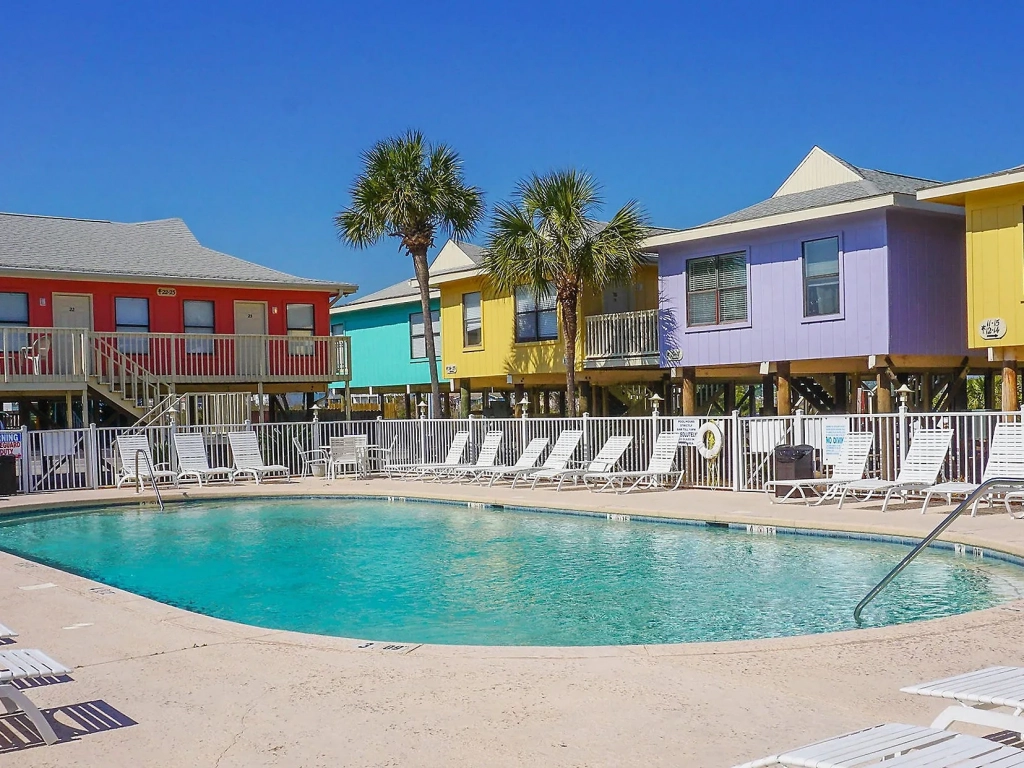
If you’ve decided that a timeshare fits into your life, great! While we’re eager to help you find one that’s the perfect fit, we wouldn’t be doing our due diligence unless we went over the whole purchase process. So let’s go over what you’re likely to encounter, step by step.
Retail vs Resale
In this case, buying a retail timeshare means purchasing from the developers. You’re either attending a presentation or going to the developer’s website to purchase an interest directly. This comes with perks and drawbacks.
Is Owning a Timeshare Worth It? Retail Purchase Pros
- Visual Inspection: Presentations usually include tours of the property, and may include discounted stays so you can try before you buy. Seeing the property in person can reveal details that photos overlook.
- Membership Perks: Developers offer additional perks to incentivize retail purchases, such as access to member lounges, elite loyalty status, and exclusive events.
- Simple and Straightforward: You get your timeshare almost instantly, and don’t need to deal with the complicated ownership transfer process.
Is Owning a Timeshare Worth It? Retail Purchase Cons
- Expensive Timeshares: You’ll pay considerably more when buying a retail timeshare. Possibly tens of thousands more. Much of that is overhead, so your timeshare won’t retain that value.
- Limited Use Models: Many vacation clubs have fully pivoted to point systems. So while a developer like Marriott may have deeded weeks available on the resale market, they’ll only sell you points if you buy directly.
- Timeshare Presentations: These presentations can take hours and be stressful for certain people.
What To Expect During Timeshare Presentations
Timeshare presentations work by offering attendees an incentive (referred to as a ‘premium’ in official documents), like a discounted hotel stay, attraction tickets, gift cards, or tangible goods. Some developers, like Wyndham, may advertise timeshare presentations as activities like ice cream socials or cocktail hours. However, any developer who’s a member of ARDA (formerly the American Resort Development Association) will have the presentation details clearly listed.
Timeshare presentations run for 2 to 4 hours, and should have the duration clearly listed. Some presentations will run long, but you’re not obligated to stay past the posted time. Be sure to take notes during the presentation, especially about the details of the timeshare contract. You should also save a copy of any written offers, but don’t sign anything yet! Most “limited time” offers are ones that salespeople can give out freely, so keeping a record can help remove the time pressure.
Is Buying a Resale Timeshare Worth It?
Buying on the resale market doesn’t require attending a presentation and is often much cheaper than buying from the developer. You’ll likely pay a fraction of the retail price, but there are a few caveats.
Resale Purchase Pros
- No Presentations: You’re buying from a timeshare owner, not a developer, so there are no long presentations to attend.
- Lower Prices: You’ll pay considerably less when buying resale. Sometimes you’ll pay half price, sometimes you’ll pay a single dollar.
- Highly Negotiable: Because you’re buying from someone looking to exit their timeshare, there’s a bit more room to negotiate. Some sellers will cover the first year of maintenance fees as an incentive, among other things.
Resale Purchase Cons
- Resale Restrictions: Timeshare resales don’t come with the same perks as retail timeshares. In some cases, these resales might have use restrictions. Check the contract before you buy.
- Right of First Refusal: Developers can step into a resale in process, replacing the original buyer. This adds extra time to the resale process. Plus, it’s disappointing to think you’ve gotten a good deal, only for the developer to swoop in and grab it.
How To Buy a Timeshare Safely
Before you buy any timeshare, look over all the paperwork. You’ll want to review the contract and verify everything with title records. The more details you have, the better equipped you are to make a purchase.
Be sure to note the rescission period. This is a mandatory feature of all contracts, governed by state law, that allows you to withdraw from an agreement without penalty. Depending on the state, this can be a period of three to ten days. This is a great tool for guarding against buyer’s remorse, and applies to both retail and resale timeshares.
Timeshare Resale and Exit

We discussed an exit plan earlier, but it’s important you understand what things look like from the seller’s perspective. Unfortunately, there are a lot of timeshare scams out there. By arming yourself with knowledge, you can protect yourself and ensure a smooth exit process.
First, a reality of the resale market: resale timeshares aren’t exactly a hot commodity. They do sell, but they’re not necessarily going to sell fast. Prices are low, inventory is abundant, and buyers have a wealth of options. It can take a while, and you’ll be paying maintenance costs the whole time. This is why we recommend having a soft exit date for extra peace of mind: it’s less stressful to find a buyer when it’s not an emergency.
Once you find a buyer, the transfer process isn’t instant. Timeshare companies have the right to review any resale contracts, which can take several months. There may also be hidden fees associated with title transfers and right-of-first-refusal agreements.
You shouldn’t expect to make much money off the resale either. Many timeshares sell for only a fraction of the purchase price. How much they’ll go for depends on the specific location, property, and factors like point allotment or week number. A timeshare you can use during peak travel dates at a popular destination will go for more than one you can only use during the off-season. Disney Vacation Club properties tend to hold their value particularly well, but resale prices are still lower than retail prices.
Identifying Timeshare Scams
Timeshare resale scams are easy to identify once you know the patterns, but those patterns may not be immediately obvious. However, they can be boiled down to two major identifying factors.
Results That Are Too Good To Be True
We’ve laid out some realistic expectations for the resale market. Namely, finding a buyer takes time, and you’re unlikely to make a profit. Timeshare resale scams will often tell you the opposite: that there are buyers lining up to buy your timeshare at close to (or even more than) full price. You might even get a cold call from someone asking to buy your timeshare.
The truth is, these mythical, super-eager timeshare buyers don’t exist. As we’ve explained, timeshares aren’t something you leap into. If someone is knowledgeable about the resale market, they’re more likely to move slowly and compare their options. Impulse purchases mostly happen at presentations, not on the resale market.
Be especially wary about cold calls. Companies might reach out to advertise their services if you’ve looked into selling a timeshare: that’s just marketing. However, if someone calls you with an offer for your timeshare, and you haven’t listed it for sale, that offer is almost definitely fake.
Exorbitant Fees
One of the most common elements of a timeshare scam is the fees. These fake exit companies will charge large amounts of money up front for their services, often without actually helping you. This scam can take a few distinct forms.
Note that charging a fee isn’t an immediate indicator that a company is a scam. For instance, here at BuyATimeshare.com, we specialize in advertising timeshares. Sellers pay to be featured on our marketplace. The difference is that we’re transparent about what you’re paying for: we’re not offering you impossible results, we’re selling a specific service.
Real estate agencies specializing in timeshares take a different approach. Legitimate agencies won’t charge upfront fees at all: instead, they take their fee during the closing process, after you’ve found a buyer. They don’t get paid until they make a sale, so there’s an incentive to work with you.
Identifying Legitimate Resale Companies
If you’re not sure whether a timeshare resale company is legit, there are some steps you can take. One of the best ways to confirm if a company is legitimate is to check if it’s affiliated with ARDA. They feature a variety of companies in their Coalition for Responsible Exit, including us!
Looking for third-party verification? The Better Business Bureau and Trustpilot are also good sources for reviews. The higher the rating, the better!
Is Owning a Timeshare Worth It? FAQs
Buy Your Timeshare With Us
If you’ve decided a timeshare is a good fit for your family, we can help. Our marketplace makes it easy to find a timeshare that fits your needs. You can search by brand, resort, and destination. Not sure yet? We also offer rentals, so you can try before you buy!
Getting started is easy. Just click the button below, and find your next vacation today!
Looking to Sell Your Timeshare?
Want to make an exit plan? We’ve got your back. We’re one of the most trusted names in the timeshare industry, and have helped thousands of owners like you find a buyer. To get started, fill out the form below, or call us at 1-800-640-6886. You can also email us at [email protected] or use our live chat to talk to a real person! We’re here to help.
Ready To Sell Your Timeshare?